























Sicily
Agrisicilia
A family marmalade maker on the slopes of Mount Etna, working since the late 1980s with nothing but Sicilian fruit and sugar. The citrus is peeled and cut by hand, and they use Sicily's protected blood oranges, Ribera oranges and Siracusa lemons.
Gangi Dante
A family farm of about 80 organic acres at the foot of the Madonie Mountains. Their wild Sicilian oregano is picked by hand, kept on the branch and dried slowly on fibre mats. Rub a sprig over pizza or a tomato salad.
Morettino
A Palermo family with roots going back to 1920, roasting coffee across four generations. They roast slowly, let the beans rest, and buy green coffee directly from small growers.
Olio Verde
“Green oil” from an old estate outside Castelvetrano, home of the Nocellara del Belice olive. Released in 1989, it was one of Sicily's first single-variety oils. The olives are picked green in October, and the oil is unfiltered and peppery.
“The best oil we have. It's as close to the press as you can get without being in Italy in October.” — Joseph
Partanna
The Asaro family has grown olives in the Belice Valley for more than a century, and the Partanna name dates to 1916. Both the oil and the table olives come from the bright green Nocellara del Belice, the Castelvetrano olive.
Pennisi
A family sweet maker on the slopes of Etna that began with cannoli. The dough is rested, rolled thin, wrapped around canes and rested again before frying, and most of the work is still done by hand. Fill the shells just before serving.
Recca
A fish-preserving family in the old anchovy port of Sciacca, at work since the 1930s and now in its fourth generation. They choose their catch carefully and still lean on traditional methods.
A' Siciliana
Old-fashioned Sicilian café sodas, owned and imported by a New York importer that says it has been family owned since 1916. The lemon is made with Sicilian lemon juice and no preservatives, and the orange with Sicilian blood oranges. Pour them very cold over ice.
Sosalt (Antica Salina)
Sea salt from the saltworks on the Trapani coast, where seawater evaporates slowly in shallow pans under the Sicilian sun and wind. The company's roots go back to 1922. Antica Salina is their everyday salt.
Talatta
An anchovy house in Sciacca, best known for Cantabrian anchovies from an MSC-certified fishery. The fish are cleaned and filleted by hand in Sicily, then packed in olive oil.
Calabria
Amarelli
The Amarelli family has made licorice on the Ionian coast since 1731, from roots that grow wild on their land. Still family owned, they keep a licorice museum in the family house. Sassolini are their little sugar-coated licorice “pebbles.”
La Dolce Vita (Spadafora)
The Spadafora family has bottled drinks since 1945, and the third generation runs the company today. Their La Dolce Vita line takes the aperitivo hour alcohol-free.
Don Pomodoro (SAOR Italia)
Sauces and soups from a Calabrian kitchen founded in 1985. They buy fresh vegetables from southern Italian farmers, grow some of their own herbs, and start every pot with a slow soffritto.
Paradiso dei Golosi
“The gluttons' paradise” is a small company in a hill town inside the Pollino National Park. Santo Cauteruccio founded it in 1996 and still runs it, making preserves, sauces and spice blends.
Le Preziose (Sila Gum)
Old-fashioned fruit jellies from a small Calabrian confectioner, made with the region's lemon, orange, tangerine and bergamot. They are set with fruit pectin, not gelatin, and wrapped one by one.
Scalzo
A family farm in the Savuto Valley, founded in 1973, preserving its own produce since 1989 from Carmelina Scalzo's recipes. The fields sit 1,050 meters up, everything is picked by hand, and the jars are put up with olive oil, salt and sugar.
Tuttocalabria
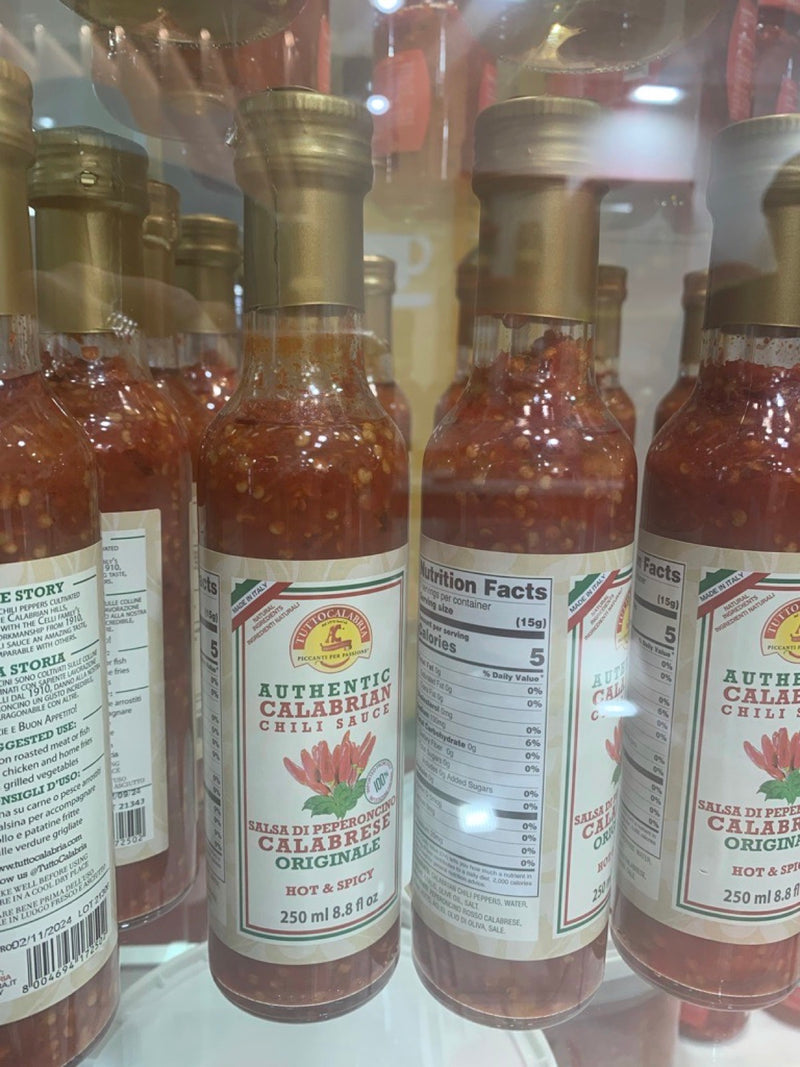
Antonio Celli and Adele Sirianni founded it in 1970, and their children run it today. They are known for Calabrian chilies, preserved in oil by hand, with peppers stuffed one by one.
Puglia
Bio Orto
The Passalacqua family's organic farm and cooperative on the slopes of the Gargano National Park, growing organic tomatoes since 1985. They grow, pack and can their own produce: “naturally organic, from seed to jar.”
iContadini
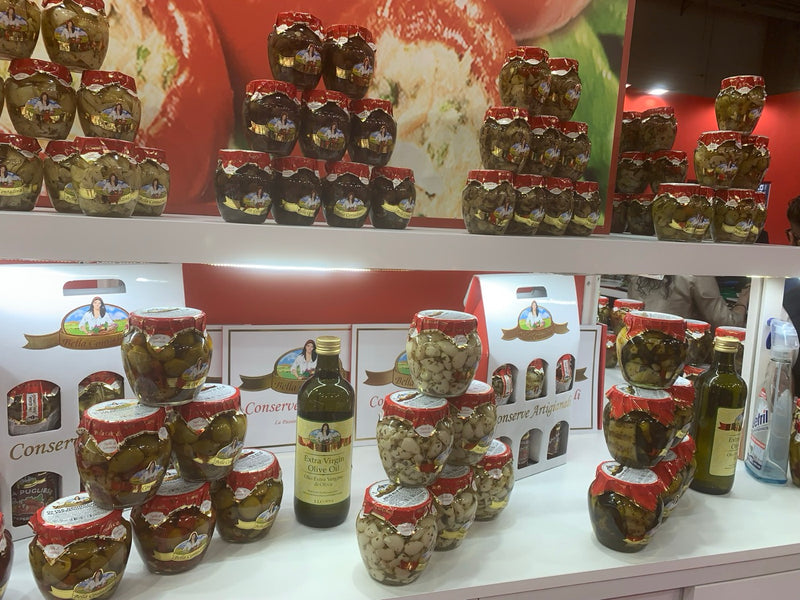
Three siblings started this farm in Salento in 2003, following their grandfather, who grew capers. They grow more than fifty vegetables in a garden by the sea and jar them by hand, usually within hours of picking.
Marella
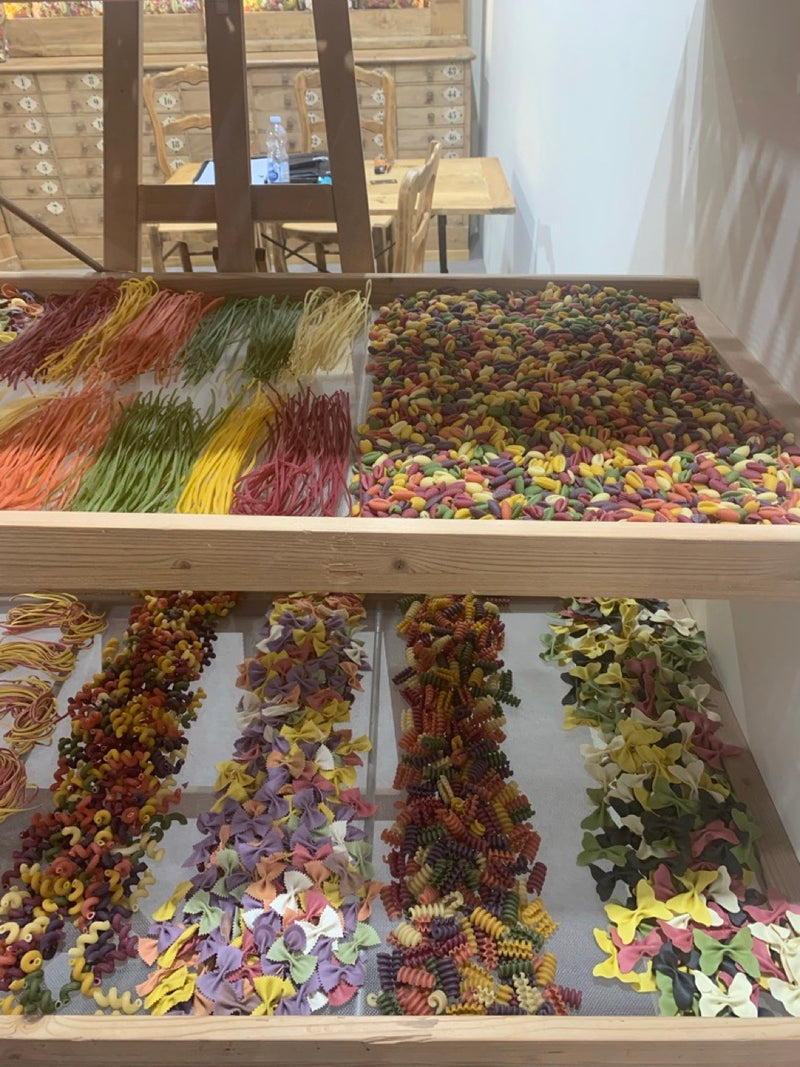
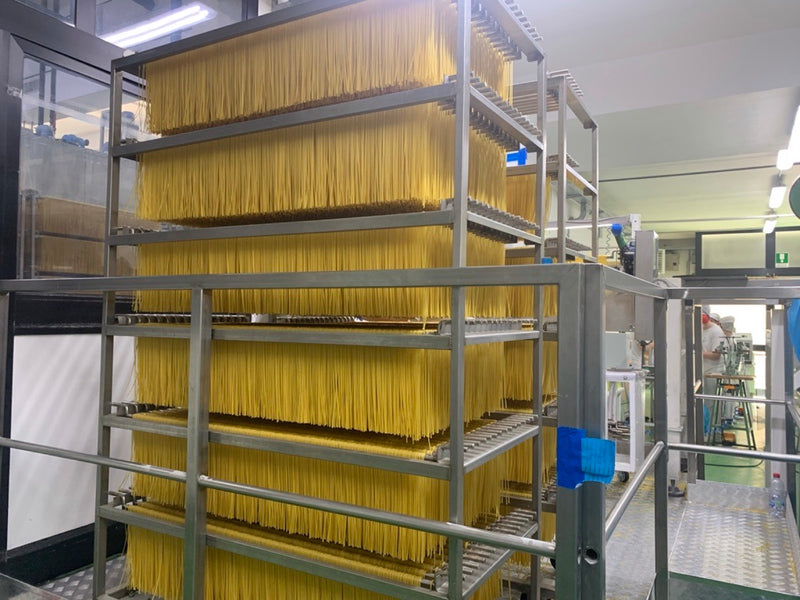
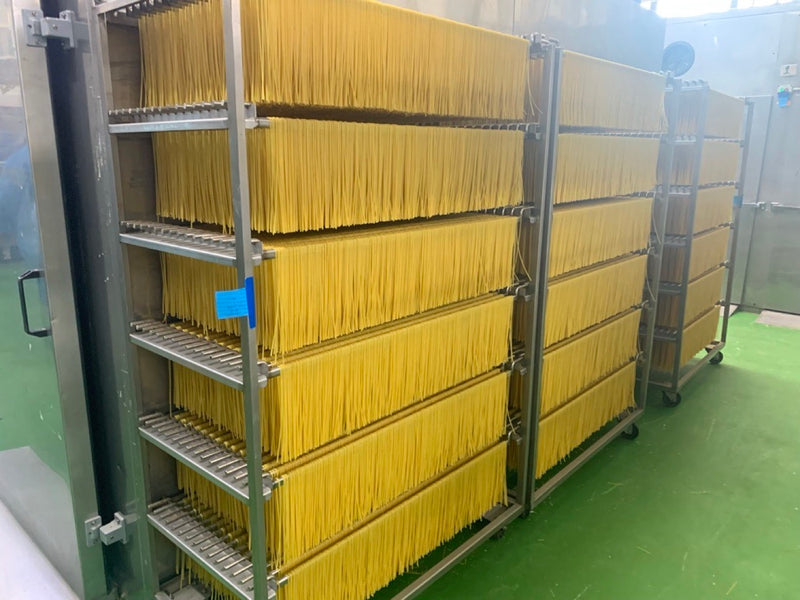
A small family pasta maker in the hills near Bari, in its present form since the late 1980s. Organic durum wheat goes through bronze dies and dries slowly. Their rainbow shapes are colored only with vegetables and spices.
Tarall'Oro
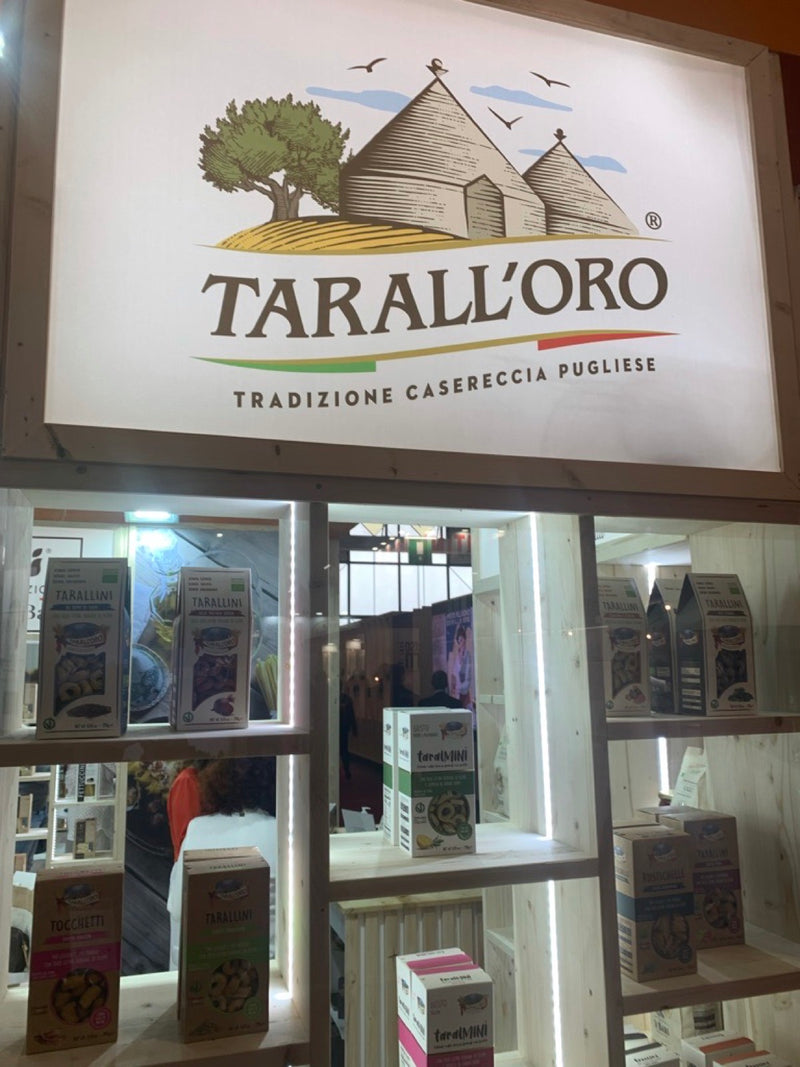
Founded in 1982 as a taralli bakery in Turi, near Bari, and soon making pasta too. Their baked goods keep to a few simple ingredients, and their pasta uses durum wheat grown in the Murge.
Tiberino
The family business began in 1888 as a food shop in Bari's old town. In 1999 the fourth generation created one-pot Italian first courses: pasta or rice, vegetables and seasonings in one pack, ready in about 12 minutes.
Basilicata
Masseria Mirogallo
A farm outside Matera, the ancient cave city, with a soft spot for old local vegetables. Since 1998 it has put up its own harvest by hand, using little more than vinegar, salt and extra virgin olive oil.
Campania
Caputo
The family-run Mill of Naples has ground flour since 1924. Wheat is milled slowly and gently with nothing added, and each flour is made for one job, from fresh pasta to light, airy doughs.
Pastificio Gentile
Gragnano pasta under a name that dates to 1876, run by the Zampino family since the 1980s. They use Italian durum wheat and spring water and dry it slowly. Since 2016 they have worked in a restored 1650 grain mill.
Rummo
Pasta since 1846, still run by the Rummo family. Their “slow processing” method kneads the dough gently and sets drying times shape by shape. After a flood hit the factory in 2015, they rebuilt with help from all over Italy.
Strianese
The Rega family's cooperative, founded in 1987, gathers hundreds of growers on the plain below Vesuvius where San Marzano DOP tomatoes grow. They can the harvest in their own plant in Striano, keeping the chain from field to can short.
Abruzzo
Agrumato
The Ricci family revived an old millers' habit: crushing whole lemons with the last olives of the harvest. Since 1989 their citrus and olives have been milled together, so nothing is added afterward. The exact recipe is a family secret.
De Cecco
One of Italy's best-known and largest pasta makers. Milling began in 1831, and in 1886 Filippo De Cecco turned to pasta and built a low-temperature drying system. We carry their gluten-free spaghetti and potato gnocchi.
Don Antonio (Casina Rossa)
It began in 1960 with Don Antonio, a farmer who loved to cook and put up his own vegetables. His son Nicola's family runs it now, still growing its own tomatoes, onions and even saffron.
Rustichella d'Abruzzo
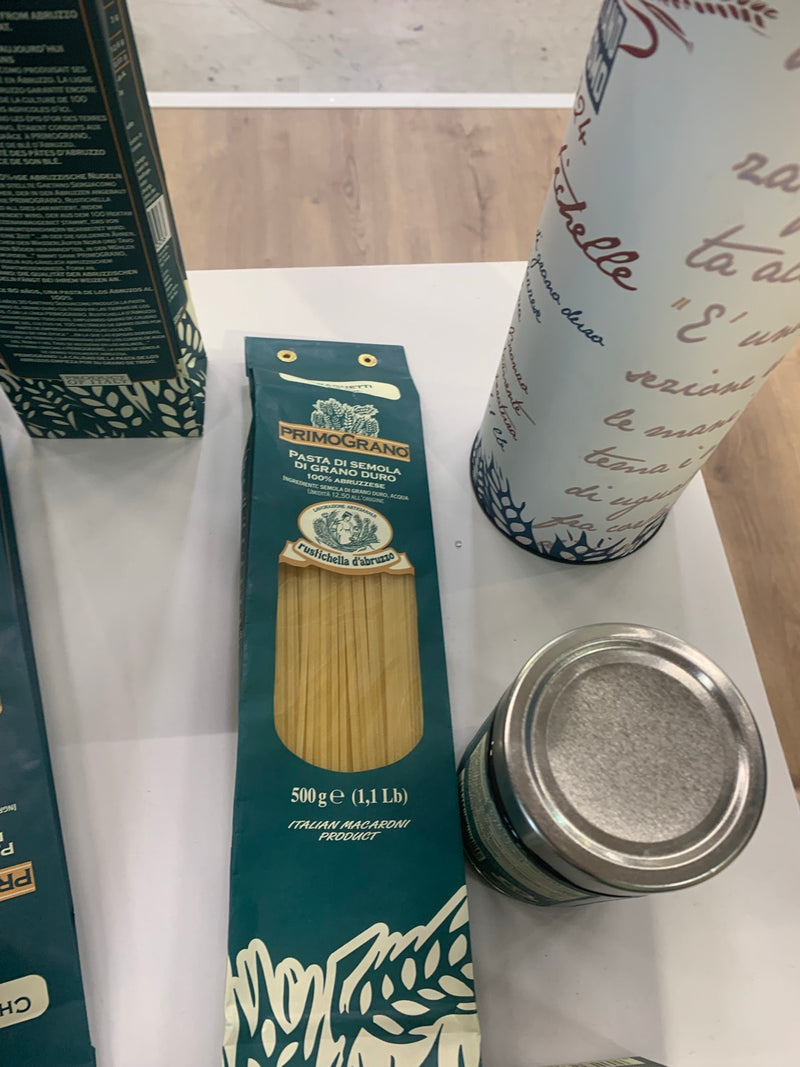
Pasta made in Penne since 1924 by the Sergiacomo family, renamed Rustichella in 1981 and now led by the Peduzzis. They use bronze dies and slow drying, and their Primograno line uses wheat grown in Abruzzo.
Umbria
Bartolini
An olive mill founded in 1850 in the green Valnerina, run by the same family for six generations. They press Moraiolo, Frantoio and Leccino olives cold, and on the same land they grow Umbrian lentils.
Frantoio Bartolomei
An olive mill near Orvieto, founded in 1890 and now led by the fifth generation, Chiara Bartolomei. Olives reach the mill quickly and are cold-extracted without added water. The family also runs an olive-oil museum.
Farchioni
The Farchioni family has pressed olives since 1780, when Luigi Farchioni set up a water-powered stone mill near Spoleto. Today they grow their own olives, grain and grapes and look after every step from field to bottle.
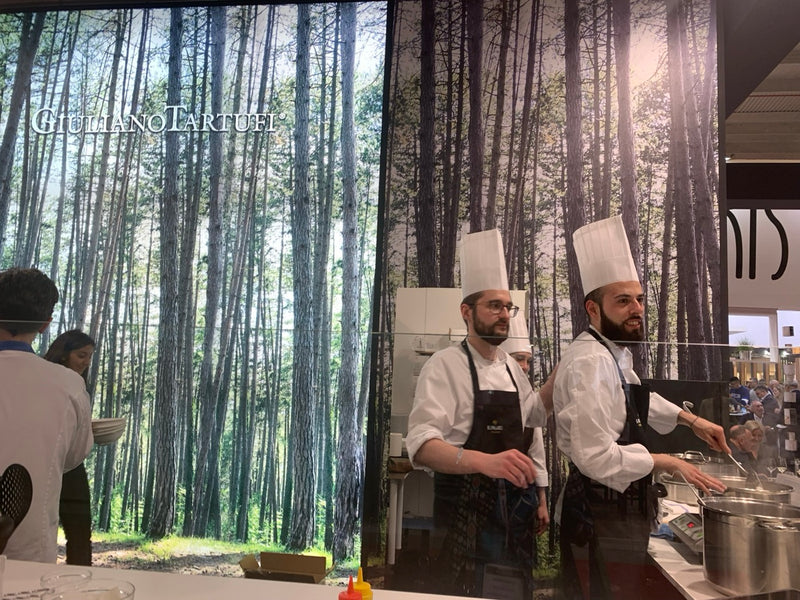
Giuliano Tartufi
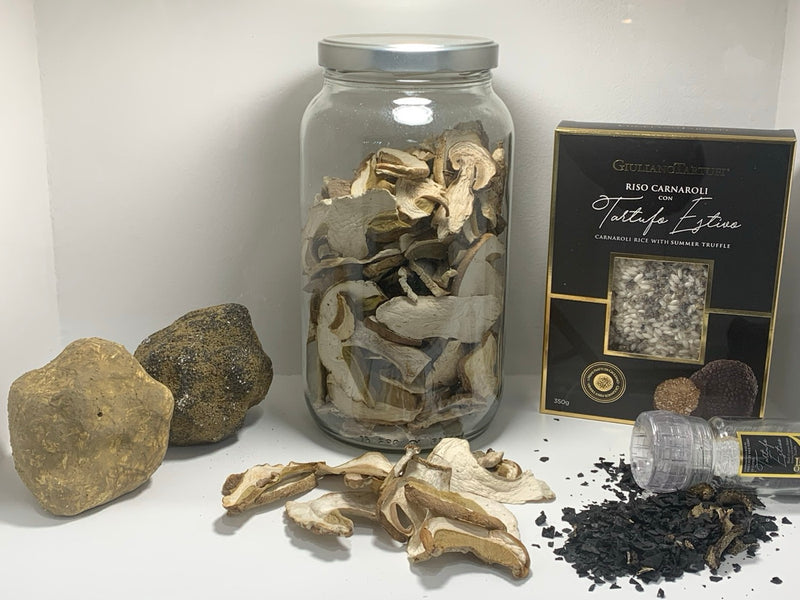
Truffle hunter Giuliano Martinelli began trading fresh truffles in 1981 and opened a plant with his sister Matilde in 2001. Truffles from local Umbrian hunters are checked and selected there.
Perugina
A Perugia chocolate house founded in 1907 and owned by Nestlé since 1988. In 1922 Luisa Spagnoli created Baci, still wrapped with a little love note inside.
Urbani Tartufi
In 1852 Costantino Urbani began shipping truffles from the Valnerina to France. Still family run, Urbani is now the best-known truffle name in the world, and its first workshop is a truffle museum.
Marche
Bernardini Tartufi
A truffle family from Acqualagna, Italy's truffle capital. Tino “Lambrusco” hunted truffles at night in the 1940s, his son Maurizio founded the company in the early 1990s, and Maurizio's daughters run it with him.
La Campofilone
Egg pasta from a hill town famous for it since Adorna Albanesi made maccheroncini at her trattoria in 1912. The eggs come from the farm's own hens and the wheat from its own fields, and the pasta dries slowly for a day or two.
Luciana Mosconi
Luciana learned to roll egg pasta from her mother and opened a little shop in Matelica. The pastificio has carried her name since 1992. They use eight fresh eggs per kilo of semolina and dry the pasta slowly.
Tuscany
Antonio Mattei
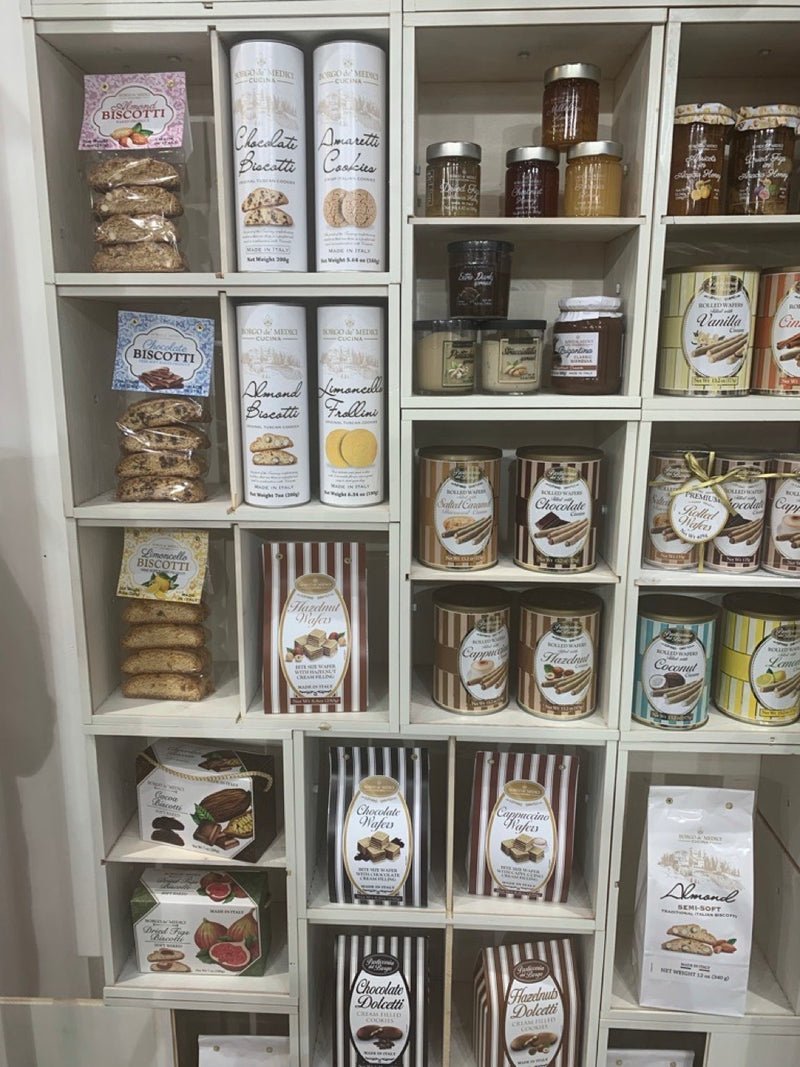
Antonio Mattei opened his bakery in Prato in 1858, and the Pandolfini family has run it since 1921. The almond biscotti take just five ingredients, with no butter, oil or preservatives, and every bag is tied by hand.
Le Dolcezze di Nanni
A family bakery south of Siena on the old Via Francigena, founded in 1959. Nanni's son Marco keeps the family recipes, and everything is made by hand without preservatives.
Frescobaldi
A Tuscan wine family since the early 1300s, now in its thirtieth generation. Laudemio is their finest olive oil, picked early and pressed within hours at their mill at Castello Nipozzano.
Maltagliati (Pastificio Fabianelli)
Maltagliati is a brand of Pastificio Fabianelli, which traces its pasta making in this Valdichiana town back to 1860. Italian durum wheat semolina is shaped through dies and dried slowly at low temperature.
Masini
Pietro Masini opened his bakery near Florence in 1929, and the family still owns it. They are proud of their Cantuccini Toscani IGP, the twice-baked almond biscuits.
Rinati
A family confectioner between Florence and Pistoia, “a sweet tradition since 1890,” with roots in Lamporecchio's anise wafers. Their Cialde di Montecatini are thin wafers around a sweet almond filling.
Castello di Volpaia
A walled hilltop village in Chianti Classico, farmed organically by the Stianti family. They make vinegars from their own wines, the red from their Chianti and the white from Trebbiano and Malvasia.
Emilia-Romagna
Barilla
The world's largest pasta maker started as Pietro Barilla's bread and pasta shop in Parma in 1877, and the family still leads it. We carry their jumbo shells and gluten-free pasta.
Devodier
Their story is told above.
Fabbri 1905
In 1905 Gennaro Fabbri began making liqueurs in Portomaggiore, and his wife Rachele created the Amarena cherry recipe. The fourth and fifth generations run the company today, and the blue-and-white jar was recognised as a historic Italian brand in 2022.
Galvanina
Named for a mineral spring above Rimini where the Romans built baths, it began as a small bottler in the early 1900s and now makes organic drinks. Since 2019 the investment firm Riverside has held a majority stake.
Gavioli
A historic cellar near Modena, the home of Lambrusco, tracing its story to 1794. Today it belongs to the Giacobazzi family's wine group.
Grosoli
In Modena's food life since 1891, the Grosoli family has made only balsamic since 1974, and Mariangela Grosoli leads it today. Their organic balsamic, made since 1995, matures in small barrels in a restored brick kiln.
Pastificio La Rosa
A gluten-free pasta workshop founded in 2010 near Modena. The plant makes nothing but gluten-free pasta, and every batch is cooked and tasted before it leaves.
Acetaia Leonardi
A family farm outside Modena that goes back to the 1700s and has made only balsamic vinegar since 1871. The Leonardis grow their own Trebbiano and Lambrusco grapes.
Majani
Italy's oldest chocolate maker, by its own account, began in Bologna in 1796 and has stayed in family hands. They make chocolate from the bean, conching it for up to 72 hours.
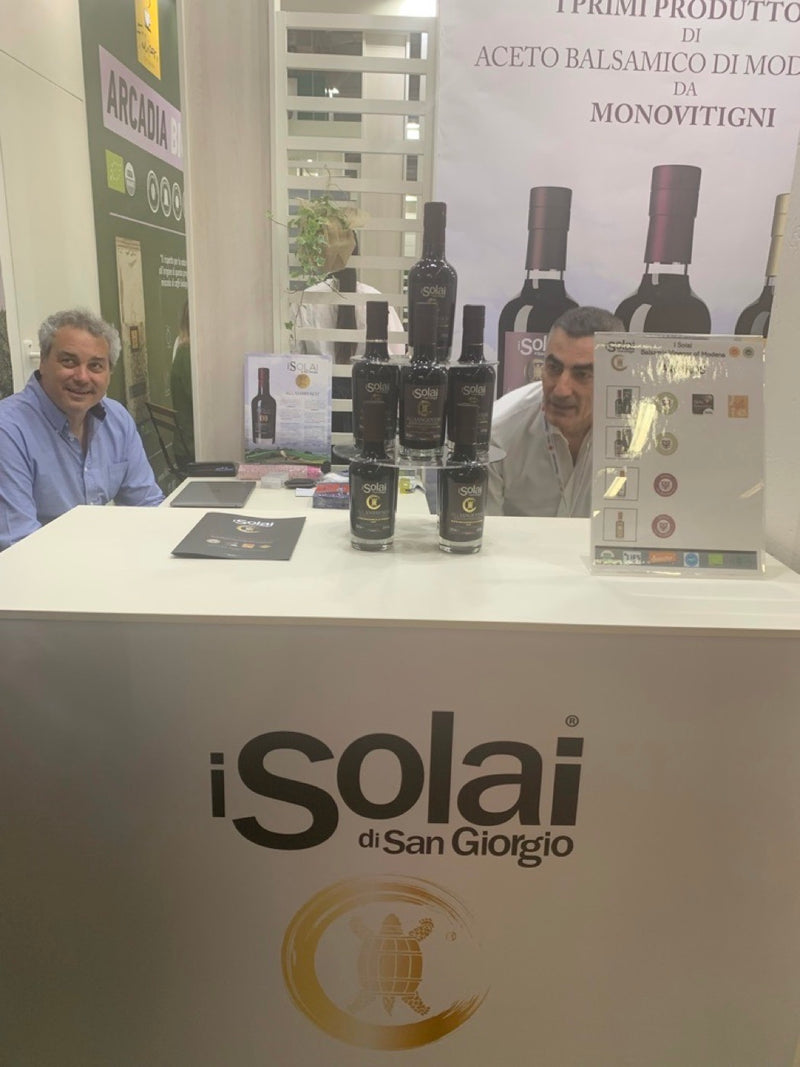
I Solai di San Giorgio (Cazzola e Fiorini)
Balsamic from just outside Modena, named for the old family attics where the barrels were kept. They use so much cooked grape must that they need no caramel coloring.
Toschi
Brothers Giancarlo and Lanfranco Toschi started in 1945, after a generous cherry harvest near Vignola. Their Amarena cherries made the name, and the third generation leads the company today.
Liguria
Costa dei Rosmarini (Santa Chiara)
A small olive-oil house on the western Riviera that began in 1995, when a neglected grove ringed with rosemary was brought back to life. Santa Chiara is its gentle, fruity oil, meant to be used raw.
Ranise
A small family business in the hills behind Imperia, home of the Taggiasca olive. In 1995 the family began restoring groves their ancestors had planted, and they make their Ligurian specialties without artificial colors or preservatives.
Piedmont
Baratti & Milano
Founded in Turin in 1858 and royal suppliers by 1874. Their gianduiotti use Piedmont hazelnuts, and their café still stands in the Galleria Subalpina. Since 2000 the company has been part of the Elah Dufour group.
Brezzo
A family honey house in the Roero, started in 1948 by Gervasio Brezzo, who once carried his hives into the mountains by bicycle. Three generations work together now. Our orange blossom honey is gathered in Sicily.
Domori
Founded in 1997 by Gianluca Franzoni after years studying cocoa in Venezuela, and part of the Illy group since 2006. Domori champions Criollo, the rarest cocoa, and its dark chocolate is just cocoa and sugar.
Enzo Boglietti
Barolo from La Morra, where Enzo's family farmed vines for generations before he made his first wine in 1991. He runs the estate with his children. It has been certified organic since 2017, and the grapes are picked by hand.
Giraudi
A family chocolate house near Alessandria that began in 1907 as a mill with a bread oven. They roast and refine Italian nuts themselves, and visitors can watch the work in their workshop.
Principato di Lucedio
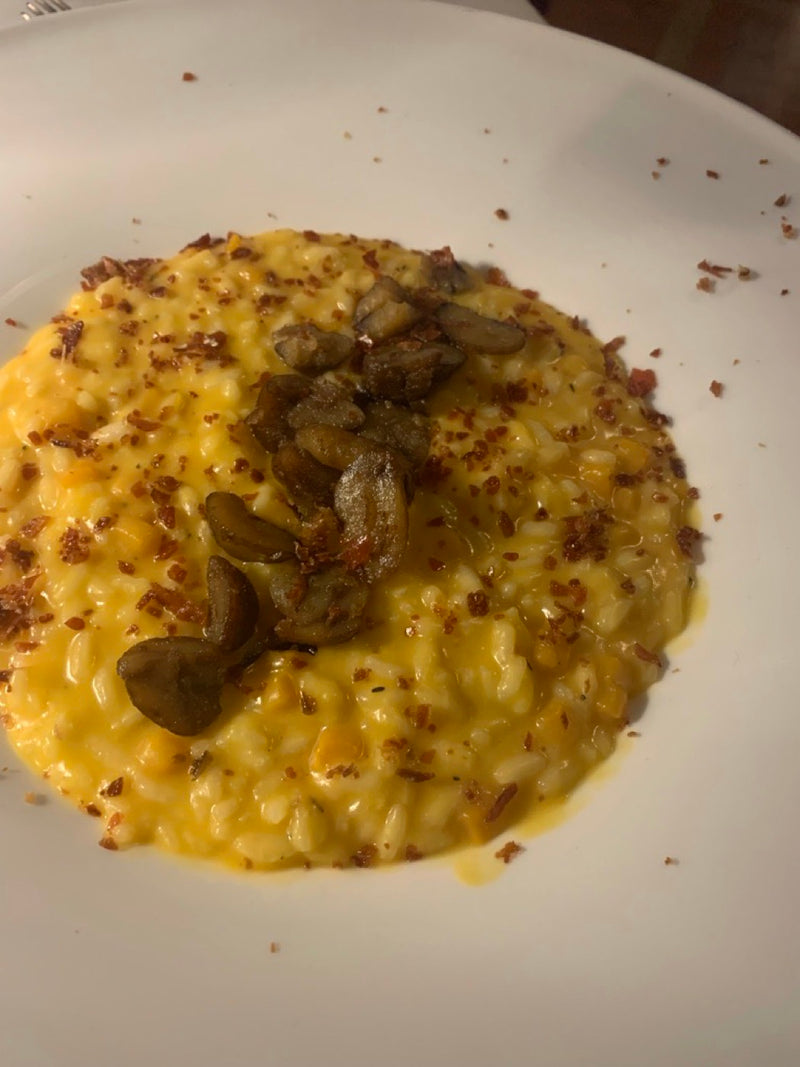
A rice estate that began as a Cistercian abbey in 1123. The estate says its monks were the first in Italy to grow rice. A descendant of the Marquis Gozani owns it today, and her family runs the farm.
Novi
Chocolate made in Novi Ligure since 1903, with whole Italian hazelnuts in the Nocciolato. Novi is part of the Elah Dufour Novi group.
Oliveri
A small family workshop in the Monferrato hills, run by Emilio and Marina Oliveri. Porcini go back three generations in the family. They work with the seasons, and much of the work is done by hand.
Pio Cesare
Founded in 1881 and one of the few wineries still inside Alba's old town, run by the family for five generations. Their classic Barolo blends Nebbiolo from several family vineyards.
Ponti
One of Italy's oldest vinegar families, with records going back to 1787 in the Novara hills. Cousins of the ninth generation run it today, and it is a certified B Corp.
La Spinetta
The Rivetti family's winery, begun in the 1960s. Their Barolo Campè comes from old Nebbiolo vines in Grinzane Cavour, worked by hand.
Lombardy
Chiostro di Saronno
Amaretti from the town that made them famous, by Paolo Lazzaroni & Figli, owned by the Lazzaroni family for eight generations. Our soft lemon amaretti are chewy inside.
Galbusera
Biscuits since 1938, when Mario and Enea Galbusera baked in a café in the Valtellina. We carry cookies from their gluten-free range.
Moretti
Polenta milled in Bergamo since 1922, when Aristide and Carolina Moretti began running a corn mill. Two fourth-generation cousins lead the company today.
Il Riso Beretta
A rice name from the paddies around Pavia. The Beretta brand now belongs to Riso Principe 1910, a family rice company in nearby Belgioioso. We carry their Arborio and Carnaroli.
Riso Carena
A small rice company in the Lomellina near Pavia. Its “Le Mondine” line, named for the women who once weeded the rice paddies by hand, covers beans, farro and risotto mixes.
San Carlo
It began in 1936 as a Milan rotisserie famous for its potato chips, and the Vitaloni family still runs it. The company says it is Italy's best-selling chip.
Tre Marie
A classic Milan pastry name going back to 1896. Since 2013 Tre Marie biscuits have been made by Galbusera in the Valtellina.
Veneto
Cipriani
The Bellini was born at Harry's Bar in Venice in 1948. The Cipriani family's Virgin Bellini keeps the white peach and swaps the Prosecco for sparkling water. San Benedetto bottles it in the Veneto.
Merlini
A Verona family that has worked with wild mushrooms for about a century, starting in a workshop in the old town. The mushrooms are sorted and cleaned by hand.
Rigoni di Asiago
It began in 1923, when Grandma Elisa Rigoni kept bees on the Asiago Plateau. From the start the company has used only organic ingredients, and its Fiordifrutta spreads are sweetened with apple juice.
Trentino-Alto Adige
Felicetti
Pasta made since 1908 in the Dolomites, above 1,000 meters, where the family says the mountain air and spring water make the difference. Their Monograno line uses single grains, like the Matt durum wheat from Puglia in our pasta.
Pojer & Sandri
Two friends founded this hillside winery in 1975. They make their vinegars from their own wine, turned slowly in wooden barrels with no heating or forcing.
Sardinia
Cherchi (Pergamena di pane)
A family bakery near Alghero, started by Rosalia Cherchi in 1995. Their “bread parchment” is a modern take on Sardinia's paper-thin shepherd's bread.
San Giuliano
A Sardinian olive-oil house: the Manca family began pressing olives in Alghero in 1916, and San Giuliano followed in 1975. They grow, press and bottle their own oil.
Beyond Italy
Bianco DiNapoli
Pizza maker Chris Bianco and tomato canner Rob DiNapoli joined forces in 2010 to make a California tomato good enough to stand beside the best Italian ones. The tomatoes are grown organically and canned simply.
Chiquilín (Luis Penalva)
A fourth-generation family spice company in Novelda, a saffron-trading town near Alicante. A pinch of their saffron colors risotto alla milanese or paella.
Divina
The olive and antipasti brand of FOODMatch, founded in New York in 1996. They work with growers around the Mediterranean, especially in Greece.
Eduardo's Pasta Co.
Egg pasta made in San Francisco since 1977. Long shapes are rolled in sheets and air-dried for up to three days, and the Zucchi family, owners since 2025, keep the recipes unchanged.
The Fine Cheese Co.
A cheese merchant in Bath whose crackers, including the Miller's and Baker & Barista ranges, are baked at its own century-old family bakery in Derbyshire. They are mixed by hand and baked in small ovens.
Graziano Family of Wines
Our neighbors inland: Vincenzo and Angela Graziano came from Piedmont and planted vines here in 1918. Four generations on, they also make a small Monte Volpe olive oil.
Leopold Bros.
A family distillery run by brothers Todd and Scott Leopold. Their vinegars are made the slow, old way, trickling through beechwood, and bottled unfiltered.
Matiz
Spanish pantry foods chosen by a Washington State importer that works with small producers in Spain: tinned seafood from the north and paella rice.
Michael's of Brooklyn
A family Italian restaurant on Avenue R, run by the Cacace family since 1964. Regulars kept asking to take the sauce home, so around 2006 they began jarring it.
Ortiz
Fish packed on the Basque coast since 1891, through five generations of the Ortiz family. Their Bonito del Norte is albacore caught one fish at a time, by pole and line or by trolling.
Roland
An American specialty-food company. These rough-cut demerara cubes are pure cane sugar from Mauritius.
True Delicious
Antonio Russo grew up baking beside his pastry-chef father near Naples and started True Delicious in Petaluma in 2018. His biscotti are baked twice in small batches, including gluten-free, dairy-free and vegan versions.